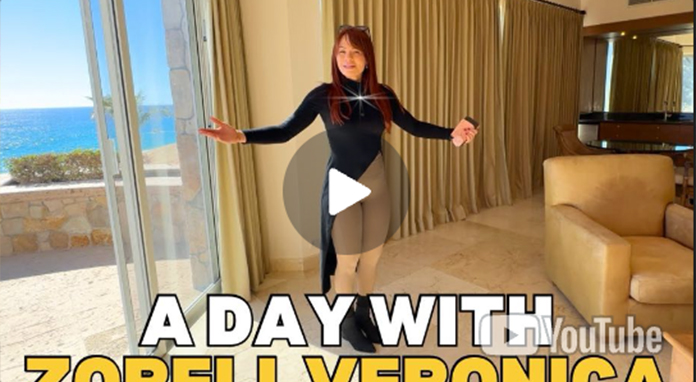

A beachfront villa in Los Cabos can feel like an easy yes – until the practical question shows up: is buying property in Mexico safe? For serious buyers, that question is not about headlines or hearsay. It is about title, legal structure, closing process, and whether the people advising you actually know the local market.
The short answer is yes, buying property in Mexico can be safe. But safety in a real estate transaction is not automatic. It comes from using the right ownership structure, verifying the property thoroughly, and working with professionals who understand cross-border purchases at a high level. In premium markets like Los Cabos, that difference matters.
Is buying property in Mexico safe for foreign buyers?
For foreign buyers, the answer is generally yes, provided the purchase is handled correctly. Mexico has a well-established framework for foreign ownership, including structures designed specifically for buyers acquiring property in coastal areas. That matters in Los Cabos, where many of the most desirable homes, condos, and estates fall within the restricted zone.
This is often where confusion starts. Foreigners can buy property in Mexico, but the method of ownership depends on location and use. In restricted zones near the coast or borders, foreign buyers commonly purchase through a bank trust called a fideicomiso, or through a Mexican corporation in certain investment scenarios. The trust is a legal ownership vehicle, not a workaround. It is widely used, recognized, and structured to allow the buyer beneficial rights to use, improve, sell, lease, or pass on the property.
What makes the process safe is not simply that a fideicomiso exists. It is that the trust is set up properly, the property is legally transferable, and the transaction is reviewed by qualified professionals from the start.
What actually makes a property purchase safe in Mexico?
A safe purchase comes down to due diligence. Luxury buyers are often less concerned with whether a transaction can happen and more concerned with whether it is being done correctly. That is the right mindset.
The first issue is title and ownership history. You want clear confirmation that the seller has the legal right to sell, that the property boundaries match the official record, and that there are no liens, encumbrances, unpaid taxes, or ownership disputes attached to the asset. This is standard in any serious market, but it is especially important in a cross-border purchase where assumptions can be expensive.
The second issue is permitting and property status. A home may be visually stunning and still carry legal problems if additions were not properly permitted, the condominium regime is inconsistent, or land use does not match how the property is being marketed. In higher-end communities such as Palmilla, Querencia, Pedregal, Cabo del Sol, or Quivira, there are often additional HOA rules, architectural guidelines, and community-specific procedures that should be reviewed before closing.
The third issue is the closing process itself. In Mexico, a notary public plays a central legal role in real estate transfers. This is not the same as a US notary. A Mexican notario is a highly trained legal professional authorized by the government to formalize and certify the transaction. Even so, buyers should not rely on any one party alone. The safest transactions involve coordinated review by the brokerage team, the notario, the bank if a trust is involved, and an experienced closing professional or attorney where appropriate.
Common risks buyers worry about
Most concerns about buying in Mexico fall into a few categories. The good news is that each one can usually be addressed with the right process.
Fraud is the most obvious worry. It tends to happen when buyers move too quickly, wire funds without proper escrow protections, rely on unverified listings, or work with people who are not established professionals in the market. In luxury real estate, the stakes are too high for informal shortcuts.
Another concern is misunderstanding the ownership structure. Some buyers hear the word trust and assume it means they do not truly own the property. In practice, the fideicomiso is the legal mechanism that allows foreign buyers to hold beneficial ownership rights in restricted zones. The issue is not whether the structure is valid. It is whether the structure is explained clearly and established correctly.
Then there is the issue of market knowledge. A property may be safe from a legal standpoint and still be a poor purchase if the pricing is off, the community has weak resale demand, or the product does not fit the buyer’s goals. A beachfront condo intended for seasonal rental has different considerations than a golf estate meant for long-term family use. Safety is not just legal. It is also strategic.
Why Los Cabos feels different from the broader conversation
When people ask whether buying property in Mexico is safe, they are often thinking about the country in general. That is too broad to be useful. Real estate is local, and Los Cabos operates very differently from many other markets.
This is a mature luxury destination with established gated communities, branded residences, resort-adjacent developments, and a large base of international owners. The market is accustomed to US and Canadian buyers. The professionals involved in premium transactions typically understand the expectations around disclosure, transaction timing, escrow coordination, and lifestyle-driven purchasing.
That does not mean every property is equal or every transaction is simple. New construction, pre-construction offerings, land purchases, and custom home opportunities each carry different levels of complexity. But in a market like Los Cabos, there is a clear professional ecosystem in place for buyers who want to proceed carefully.
How to reduce risk before you buy
The safest buyers ask better questions early. They do not start with finishes or views alone. They start with the fundamentals.
First, confirm exactly how the property will be held. If it is in the restricted zone, understand whether a fideicomiso is required and how the bank trust will be established. If the purchase has an investment component, ask whether a corporate structure is appropriate or unnecessary.
Second, make sure the property is being reviewed beyond the marketing package. That means title research, tax verification, HOA review where applicable, and confirmation that all permits and documentation are in order. If it is a condo, review the governing documents and budget health. If it is land, verify use restrictions, access, utilities, and development limitations.
Third, use a brokerage team with true local specialization. A general understanding of Mexico is not enough when you are evaluating a luxury home in San Jose del Cabo, a hillside residence in Pedregal, or a golf property along the Corridor. Market nuance affects pricing, resale potential, rental appeal, and lifestyle fit.
At Be in Cabo, that local specialization is central to the process because buyers are not simply choosing a property. They are choosing a community, a holding strategy, and a version of the Cabo lifestyle they want to step into.
Is buying property in Mexico safe as an investment?
It can be, but this is where expectations need to stay disciplined. A safe legal purchase is not automatically a strong investment. Buyers looking for appreciation, rental income, or long-term portfolio diversification need to evaluate product type, location, carrying costs, and exit potential.
In Los Cabos, premium real estate often benefits from international demand, limited beachfront supply, and strong lifestyle appeal. Those are meaningful advantages. At the same time, not every luxury property performs the same way. Some homes are ideal for personal use but less efficient as rental assets. Some communities command prestige but involve higher ownership costs. Some pre-construction opportunities offer upside, while others require more patience and tolerance for timing risk.
The best investment decisions in this market usually come from aligning the purchase with the buyer’s actual priorities. If the property needs to generate income, underwrite it conservatively. If it is a second home first and an investment second, evaluate it through that lens rather than forcing the numbers.
The real answer buyers should trust
Buying property in Mexico is not safe because someone says it is. It is safe when the transaction is transparent, the professionals are qualified, the legal structure fits the property, and the due diligence is thorough. That is the standard affluent buyers should expect.
For Los Cabos in particular, the opportunity is real. So is the need for precision. A well-chosen home in the right community can deliver lifestyle value, long-term enjoyment, and strong asset quality. The smart move is not to avoid the market out of caution. It is to enter it with the level of guidance the purchase deserves.
If you are considering Cabo, ask questions early, verify everything, and treat the process with the same care you would expect in any high-value acquisition. Confidence does not come from taking less risk. It comes from understanding it clearly.