Sound in Los Cabos Homes: A Buyer’s Listening Guide
A beautiful view is easy to remember after a showing. The sound of a home is less obvious until you pause long enough to notice it. A passing vehicle, a pool gathering or the steady hum of cooling equipment may matter differently to someone who works from home, sleeps early or enjoys an active neighborhood.
Evaluating sound in Los Cabos homes is a useful part of finding your everyday fit. The goal is to understand what you hear, where you hear it and which questions deserve a second visit. A brief tour cannot establish year-round quiet or certify a building’s acoustic performance.
Before touring, identify the moments when sound matters most to you. Perhaps you want to read on a terrace, take calls without interruption or keep a guest bedroom comfortable while others watch television. Write down two or three priorities so that the conversation is specific.
Also distinguish sounds you enjoy from sounds you find distracting. Ocean surf, birds and a lively plaza may be part of the setting you want. Another buyer may prefer a more enclosed courtyard. Avoid assuming that a location label, price range or attractive photograph tells you how a particular room will sound.
Ask the showing agent for a short pause in the conversation. With permission, have background music or the television turned off. Stand or sit where you would actually spend time: beside the bed, at the dining table and in the place you imagine using for work.
Make simple notes: what you heard, whether it was continuous or intermittent, and whether it drew your attention. “Gate motor audible from the bedroom during one opening” is more useful than “noisy.” If you cannot identify a source, record that uncertainty instead of assigning it to a neighbor or a piece of equipment.
The U.S. National Park Service’s explanation of acoustic monitoring describes on-site listening that records which sounds occur and how often and how long they are audible. It also notes that weather affects sound and that wind can mask other sounds. Those are useful reasons to keep context in your viewing notes; the source does not assess any Los Cabos property.
Listen on the terrace, then return to the adjoining room. With the owner’s or agent’s permission, compare the room with its doors and windows open and fully closed. Note the difference you actually experience rather than assuming that a particular glass specification guarantees quiet.
Our windows and sliding doors viewing guide covers operation and everyday use. If sound isolation is central to your purchase, ask a qualified professional to assess the installed assembly and room rather than relying on a showroom claim.
A room viewed with everything switched off may not represent the way you will use it. Ask for a normal demonstration of the air conditioning, ceiling fans and other relevant equipment. Listen from your usual seating position as well as near the unit. Keep any adjustments within the showing agent’s permission.
Ask where shared equipment is located, including pumps, mechanical rooms, gates and elevators where present. For a condominium, locate the specific unit relative to those spaces. A floor plan can help frame questions, but it cannot tell you what sound reaches the room.
Report rattles, vibration or unusual operating sounds for professional follow-up. A buyer’s listening exercise should not become a diagnosis, repair attempt or reason to open equipment covers. Ask about service records and arrange appropriate inspection if a concern could affect your decision.
Look at the relationship between living spaces and shared areas. Does the bedroom face a vehicle entrance? Is the terrace beside a pool deck? Where are deliveries received? These are prompts to investigate, not proof that a location will be disruptive.
For shared communities, request the current written rules relevant to quiet hours, amenity use, gatherings and construction work. Ask how questions or complaints are handled. A written restriction and your experience during a viewing answer different questions; neither establishes what every future day will be like.
If a property remains a strong candidate, arrange a second authorized visit at a different relevant time. Someone planning early nights may want an evening appointment; someone working from home may prefer a normal weekday. Ask whether the first showing coincided with unusual conditions, a holiday or temporarily inactive neighboring work.
Keep access respectful. Use approved viewing arrangements and public routes, and do not enter neighboring properties to investigate. Avoid recording other people’s conversations. Short written observations are usually enough to organize follow-up questions.
For each shortlisted home, keep the same small checklist: date and time, room, openings in use, equipment operating, sounds noticed and questions outstanding. Separate what you directly observed from what someone told you. That makes two appealing homes easier to compare without turning a single quiet afternoon into a promise.
If a sound concern is decisive, obtain a qualified assessment before treating an assumed improvement as part of your budget. Do not assume that curtains, new glazing or a different appliance will resolve a problem without evaluating its source and the actual building.
No. A showing is one observation under particular conditions. A second visit, specific questions and relevant documents can improve your understanding, but they cannot guarantee future surroundings.
Consider it alongside layout, access, maintenance and the lifestyle you want. When you imagine how you will be in cabo, leave room for a listening pause as well as a look at the view.
To plan thoughtful viewings, contact Be In Cabo. Reach Troy Daniels at [email protected] or +1 (916) 996-5429.
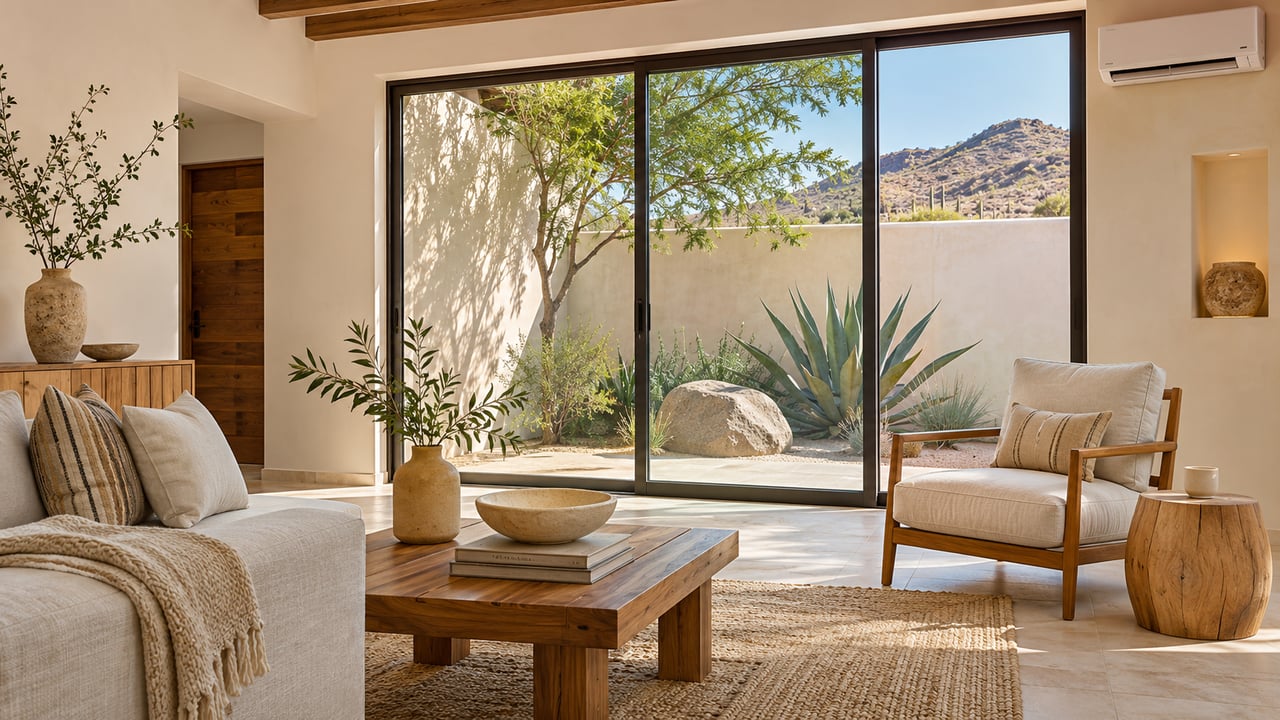
Cover image: AI-generated editorial illustration of a Baja-style interior; not an actual property or evidence of sound isolation.
A practical plan for room layouts, everyday comfort and the delivery route before choosing your furniture.


A flexible daytime approach to the historic center, with room to explore and notice everyday life.
How to assess everyday sound, compare rooms and ask better questions before choosing a home.

A practical viewing guide to vehicle fit, everyday access, guest arrangements and shared responsibilities.
Questions about storage, pressure, maintenance and shared responsibilities to bring to your next showing.
Look beyond the view to operation, glazing, coastal care and the documents worth requesting.

Choose the right boat, ask better questions and leave time to enjoy Land’s End.

A relaxed plan for galleries, a memorable lunch and time beside the Pacific.
Whether you're searching for a vacation home, an income-producing investment, or your forever home in Los Cabos, we'll guide you with local expertise, honest advice, and personalized service. Experience the difference of working with professionals who put your goals first.
Get In Touch With Our Team

Be In Cabo Real Estate Group
ADDRESS Jacarandas Fracc III Ste 2615 Plaza Cardones L17 Lomas del Pacifico Cabo San Lucas, Estado de Baja California Sur 23473