Living With Art in Los Cabos: Displaying and Caring for a Personal Collection
A home in Los Cabos can hold more than memories of the view. A painting discovered during an afternoon in San José, a photograph chosen together, or a sculpture brought from a previous home can make a room feel personal. The most satisfying collection is often assembled slowly, with space for each work to become part of everyday life.
Living with art also invites a few practical decisions. Where will a piece hang? What light reaches it? What should travel with it besides the receipt? Thinking through those questions early helps you enjoy the work with greater confidence, whether you are furnishing a new residence or adding one meaningful piece.
Take time to notice the art that holds your attention. You might be drawn to quiet compositions, strong color, sculptural texture, or photography. A home does not need a single theme, and there is no reason to fill every wall during one visit.
The Los Cabos tourism board’s introduction to San José del Cabo highlights its gallery district and mix of artistic expression. Let that setting encourage exploration rather than a hurried purchase. Ask about the artist, materials, dimensions, and the story behind a work. Confirm current opening arrangements directly before making a special trip.
Photograph the room you have in mind and bring measurements. Include the surrounding furniture, doorways, and wall space. These simple references make conversations with a gallery or designer more useful than trying to remember how large the room felt.
Look at a proposed location at different times of day. A wall that feels softly lit in the morning may receive direct sunlight later. Notice reflections, nearby windows, air-conditioning outlets, and places where people pass with bags or drinks.
Light deserves particular attention. Getty explains that light damage to art is irreversible, and that different materials respond differently. Works on paper, for example, can be especially sensitive. The brightest wall is therefore not automatically the best display wall.
A shaded interior position may be a better starting point, with a qualified framer or conservator advising on the particular work. Think about how the piece looks from a favorite chair as well as from the doorway. Enjoyment matters at an everyday distance, not only in a carefully arranged photograph.
Good documentation belongs alongside the pleasure of collecting. Request a clear invoice and available information about the maker, title, date, medium, dimensions, and ownership history. If something is described as an edition, ask for its edition details in writing. Keep the seller’s explanation with the record rather than relying on memory.
The Smithsonian American Art Museum’s collection-care guidance recommends an individual file for each object, including photographs, purchase information, identifying details, and provenance. A digital folder is an approachable way to begin.
Add photographs of the front, back, labels, and any existing marks when these can be taken safely. Keep framing and conservation records together. This is useful stewardship, whether the piece is a major acquisition or something chosen simply because you love looking at it.
Think beyond the days when the house is occupied. What happens to the room when doors are left open, curtains are drawn, or the property is closed between visits? Discuss those patterns before deciding where a sensitive work belongs.
The Canadian Conservation Institute’s environmental guidelines for paintings explain why light, relative humidity, temperature, and other environmental factors matter to preservation. The appropriate approach depends on the materials and condition of the work; a single household setting is not a universal solution.
Ask a conservator for advice on valuable, fragile, or unfamiliar pieces. Share how the home is actually used, including any periods away. A modest plan that can be maintained consistently is more useful than elaborate instructions nobody follows.
Before committing to a purchase, ask who will arrange packing, transport, framing, and installation, and what each service includes. Check that framed dimensions fit the intended wall and the route into the house. Large works may need more planning than a room photograph suggests.
Have an experienced installer assess the wall, hanging hardware, and weight of the work. For sculpture, consider the stability of its base and whether it sits near an active walkway. Avoid making the artwork itself an experiment in household cleaning or repair. If its condition changes, seek professional guidance before treating it.
Leave room for discoveries. One well-placed work can give a reading corner or entrance its character, while a collection assembled over time can reflect the people, places, and experiences that matter to you.
When exploring homes with Be In Cabo, consider the interior spaces as thoughtfully as the outlook: quiet walls, comfortable viewing distances, and rooms where treasured objects can belong. There are many ways to be in cabo. Making space for art you enjoy is one that stays with you long after the day’s plans are finished.
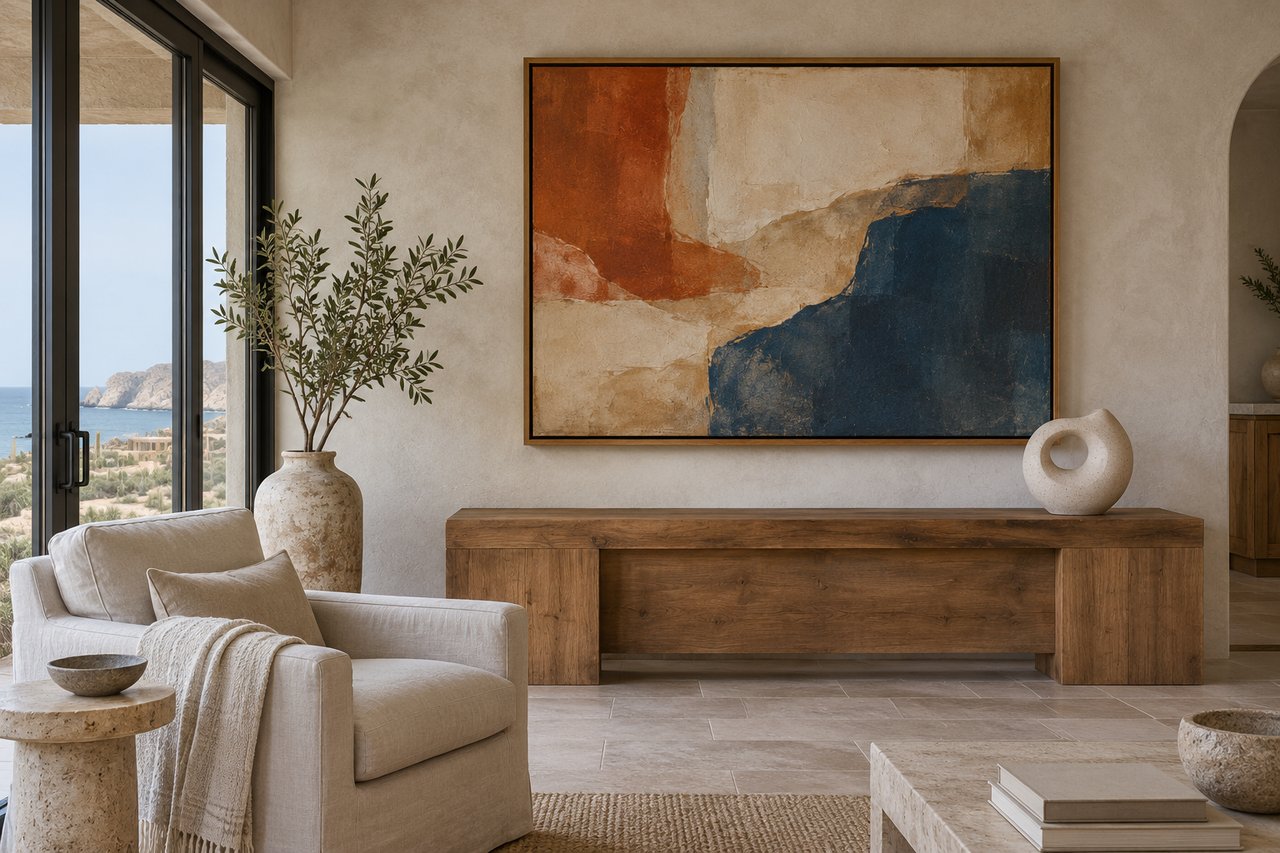
Image: AI-generated conceptual illustration of a Baja-inspired interior. The room and artwork are fictional and do not represent a listed property, gallery, or identified artist’s work.
A flexible daytime approach to the historic center, with room to explore and notice everyday life.
How to assess everyday sound, compare rooms and ask better questions before choosing a home.
A practical viewing guide to vehicle fit, everyday access, guest arrangements and shared responsibilities.
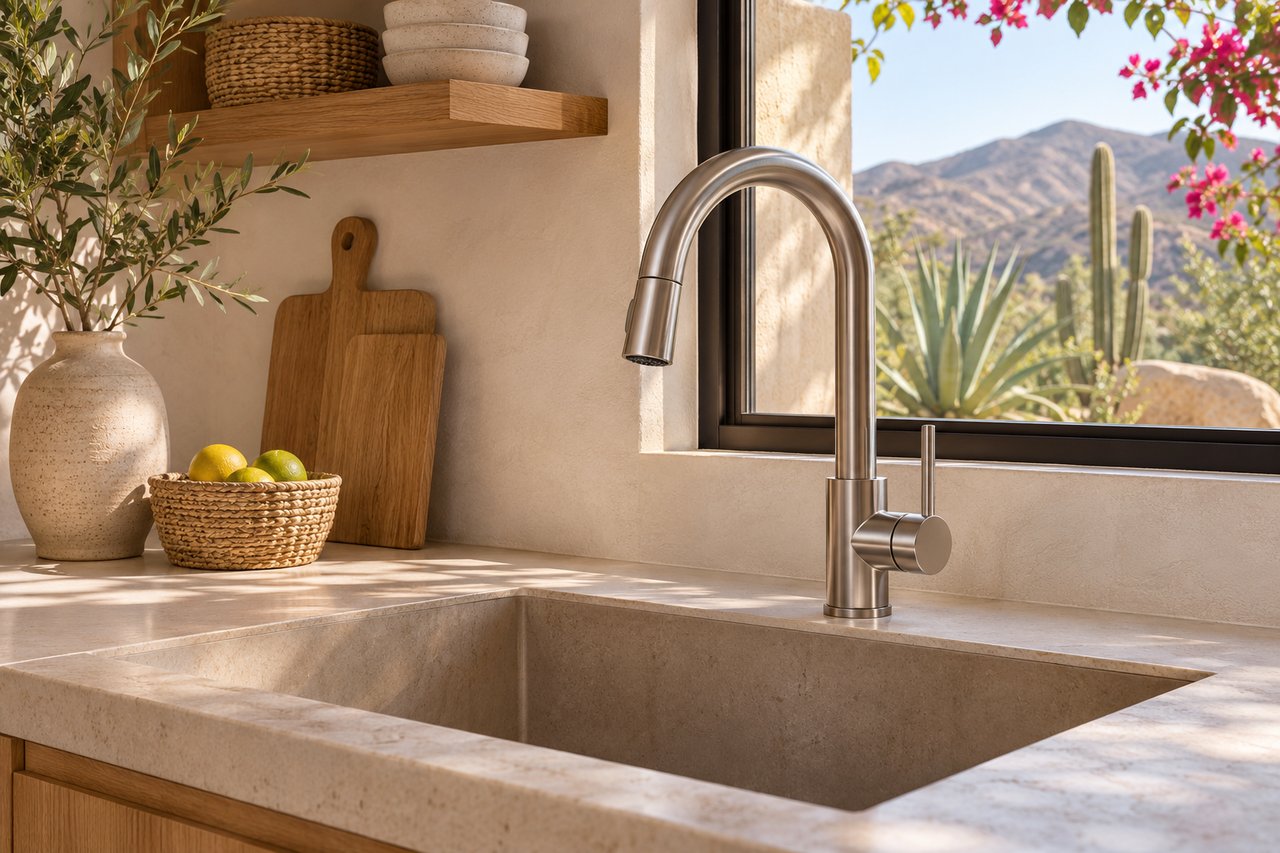
Questions about storage, pressure, maintenance and shared responsibilities to bring to your next showing.
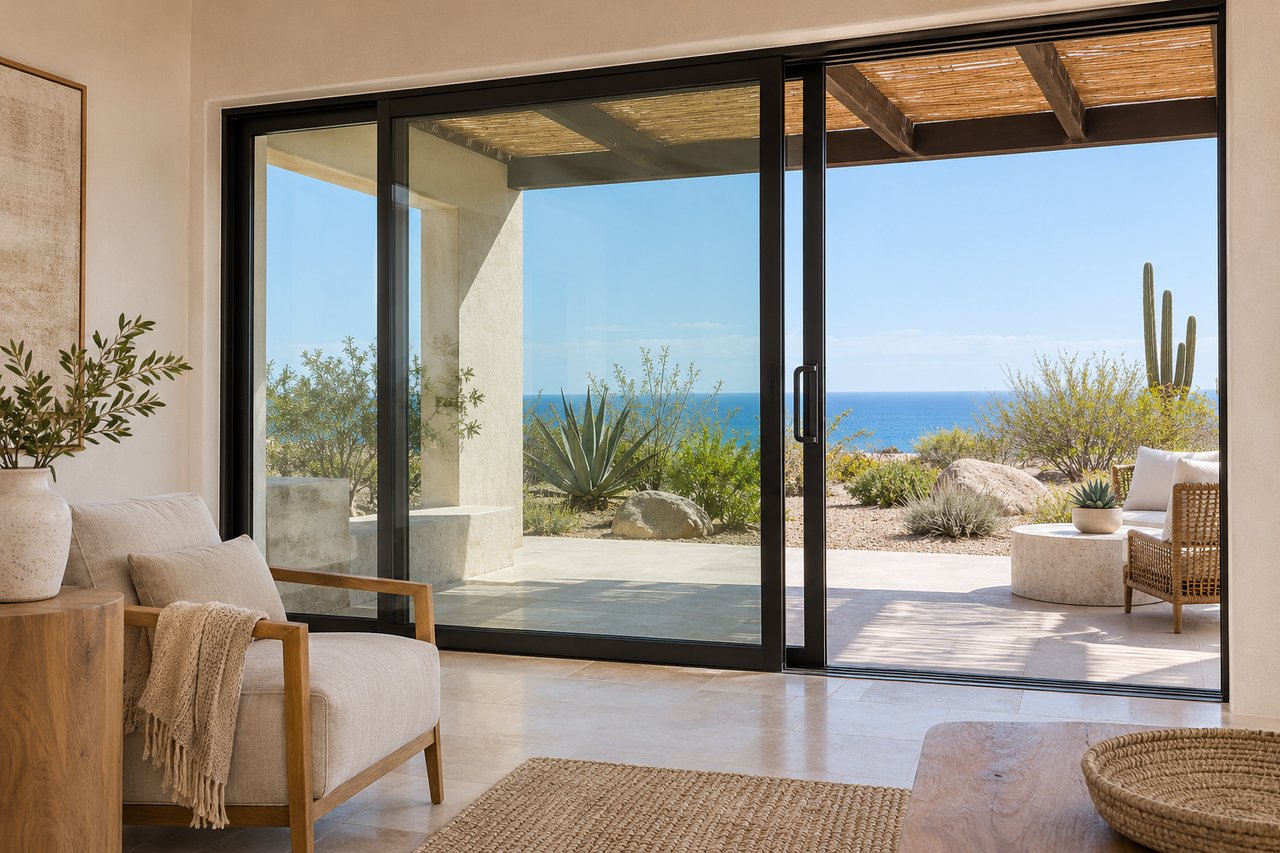
Look beyond the view to operation, glazing, coastal care and the documents worth requesting.

Choose the right boat, ask better questions and leave time to enjoy Land’s End.

A relaxed plan for galleries, a memorable lunch and time beside the Pacific.
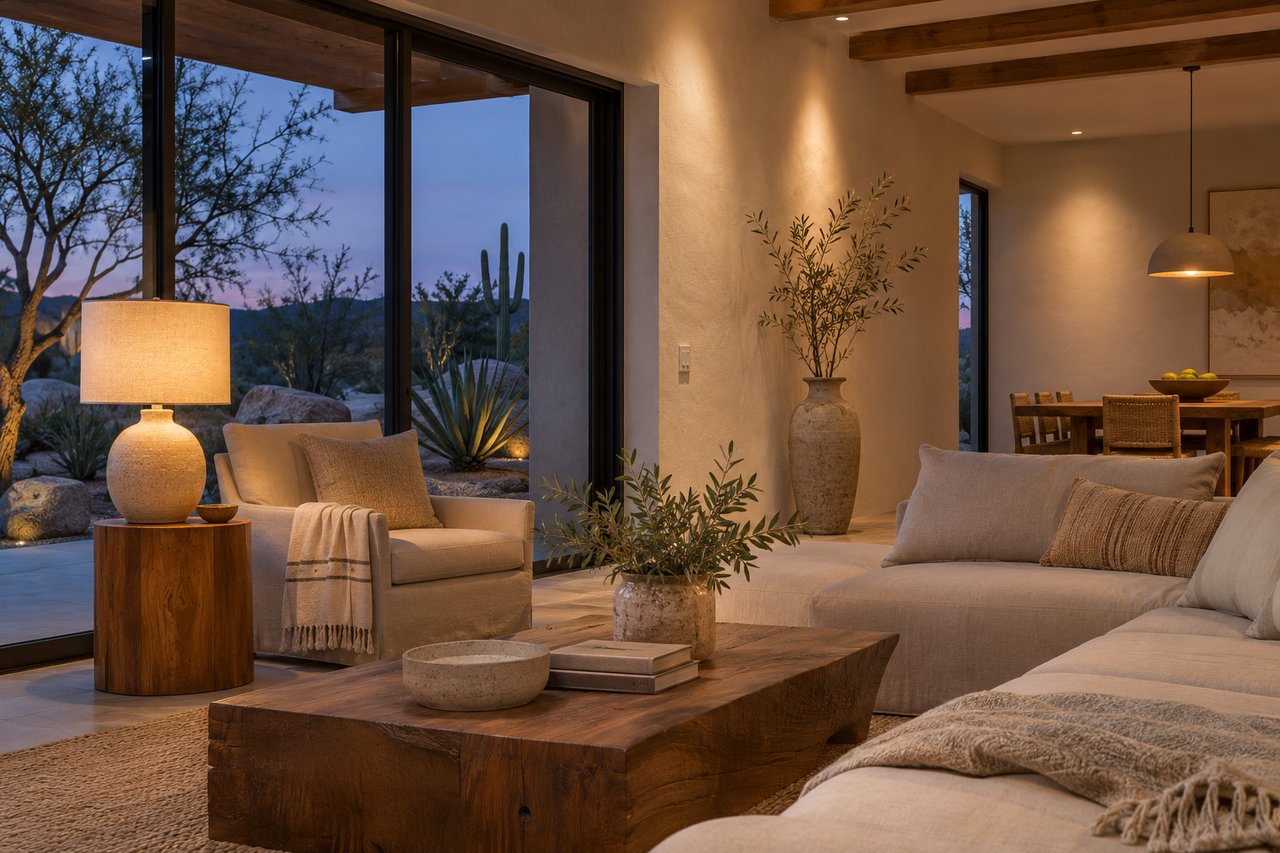
A practical room-by-room look at daylight, lamps and the controls that shape an evening at home.
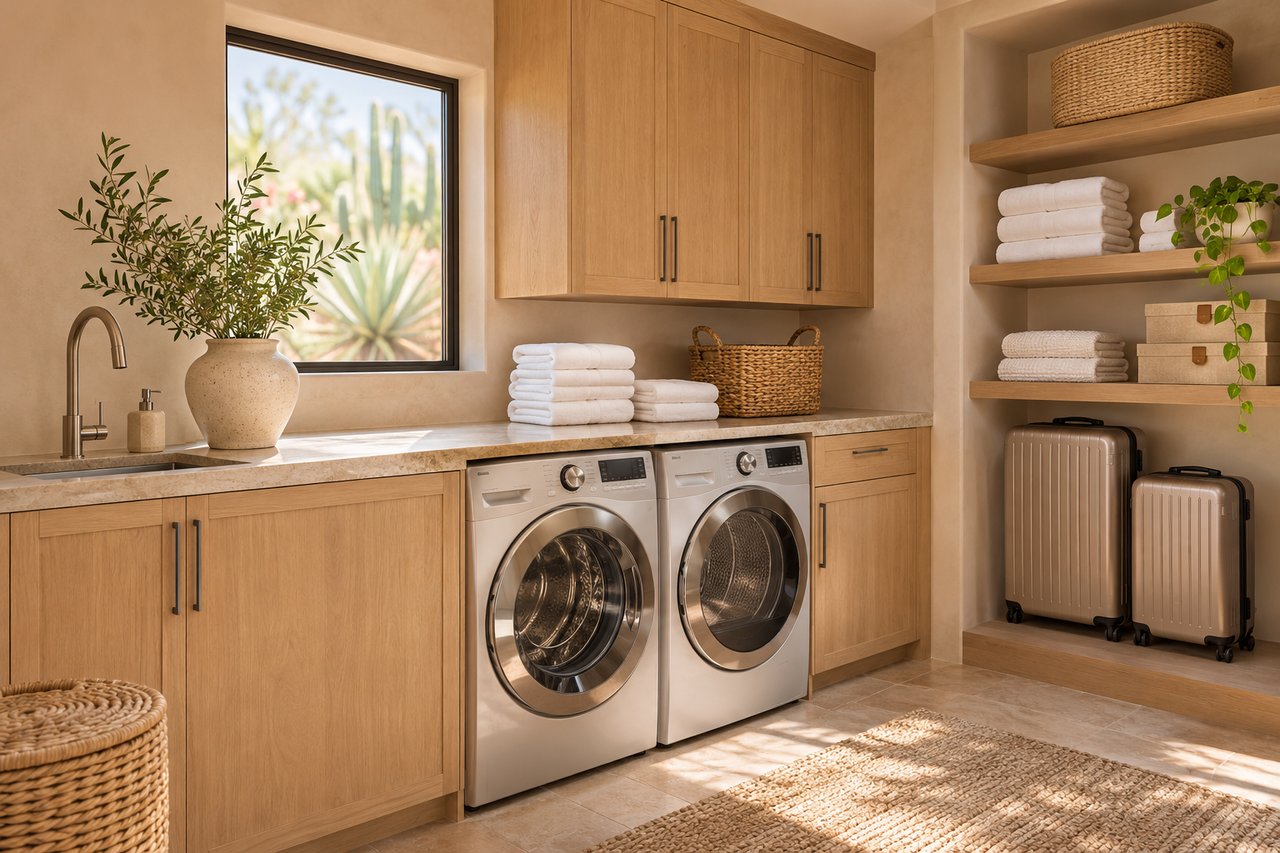
A practical showing checklist for luggage, linens, beach gear and a laundry setup that fits your routine.
Whether you're searching for a vacation home, an income-producing investment, or your forever home in Los Cabos, we'll guide you with local expertise, honest advice, and personalized service. Experience the difference of working with professionals who put your goals first.
Get In Touch With Our Team
Be In Cabo Real Estate Group
ADDRESS Jacarandas Fracc III Ste 2615 Plaza Cardones L17 Lomas del Pacifico Cabo San Lucas, Estado de Baja California Sur 23473