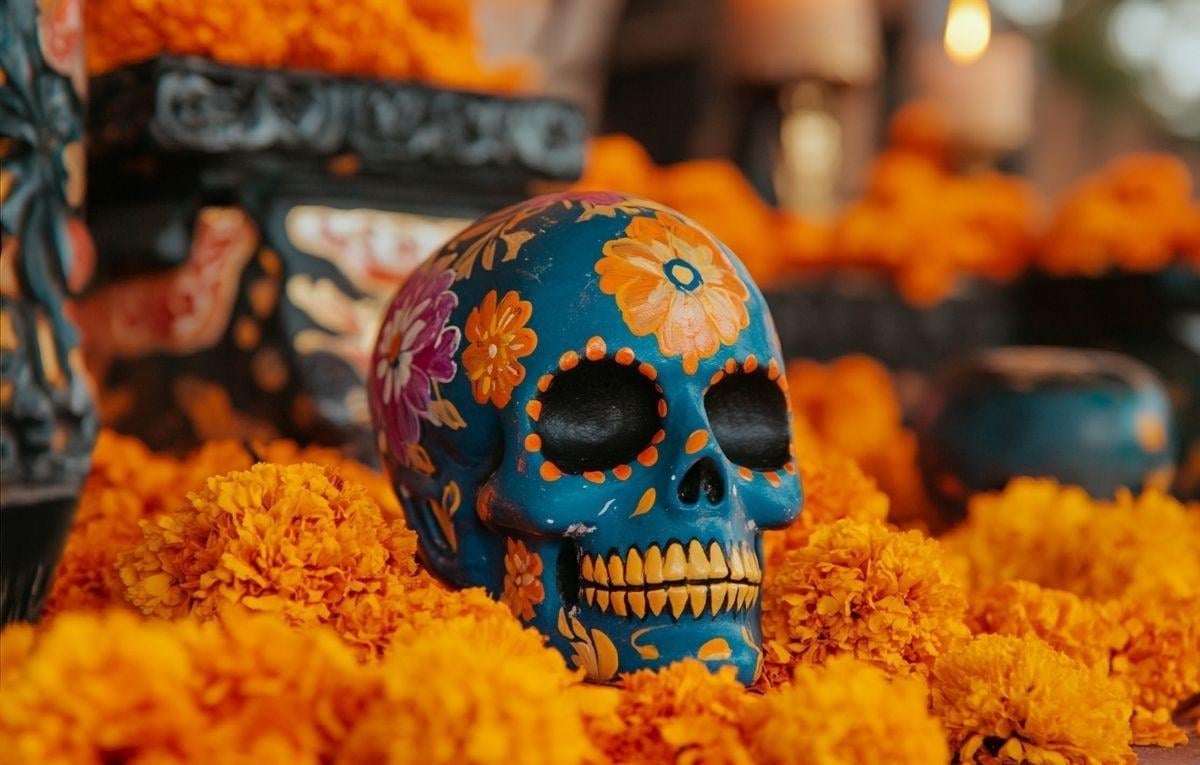
Día de Muertos in Los Cabos: Traditions, Meaning, and Where to Celebrate in 2026
From Baja’s community festivals to Mexico’s regional traditions, a guide to celebrating with curiosity, gratitude, and respect.
By Troy Daniels | October 23, 2026
A photograph, a favorite meal, and a candle can tell a family’s story. During Día de Muertos, those familiar things become an invitation to remember someone whose place at the table still matters.
As November approaches, Los Cabos joins communities across Mexico in a season of remembrance. There will be music, colorful public celebrations, and beautifully arranged offerings. Understanding the meaning behind them makes the experience richer, whether this is your first visit or part of your life here.
Día de Muertos honors deceased relatives and loved ones and, within many communities’ beliefs, welcomes their temporary return. Families prepare offerings, share memories, and renew relationships across generations. Joy and grief can belong to the same occasion.
The celebration developed through the meeting of Indigenous traditions and Catholic observances associated with All Saints and All Souls. UNESCO recognizes Mexico’s Indigenous festivity dedicated to the dead as intangible cultural heritage. Its importance reaches beyond the decorated altar: preparation, food, stories, and community participation help keep cultural knowledge alive.
There is no single script followed by every Mexican family. Indigenous peoples, regions, religious traditions, and individual households bring their own practices. Public festivals offer one way to encounter the season; family remembrance gives it much of its depth. Read UNESCO’s overview.
The central dates are Sunday, November 1, and Monday, November 2, 2026, with preparations and some observances beginning earlier. Many communities distinguish remembrance of children from remembrance of adults, but the dates and sequence vary. Follow your host’s explanation rather than assuming every altar follows the same calendar.
An ofrenda is an offering assembled in remembrance of the dead. Its details often reveal something personal: a loved one’s favorite fruit, a cherished photograph, or a dish made from a family recipe.
These are common elements, not a required shopping list. Ask the maker what an offering means. Mexico’s education ministry’s interactive altar offers an introduction, while Yucatán’s tourism guide shows how regional practices give familiar elements different settings.
The Instituto de la Cultura y las Artes de Los Cabos has announced its 2026 Día de Muertos festival for November 1 and 2. The announcement lists altar and catrina/catrín competitions, pan de muerto making, artistic programming, cinema, and a parade.
The notice says the complete program will be released separately. Check the official festival announcement and the institute’s updates for exact venues, hours, and participation details before making plans.
CANIRAC Los Cabos lists its third Desfile de Catrin@s for Sunday, November 1, at 5 p.m. The published route runs from the Pabellón Cultural de la República to Campo de Yenekamu. Participating restaurants and bars bring decorated vehicles and teams dressed as catrinas and catrines.
This offers a public way to enjoy local creativity and community participation. Confirm the route and any changes with CANIRAC’s event listing, and allow time for traffic and finding a viewing spot.
Visit a public altar, buy seasonal bread from a local bakery, and ask about the people an offering remembers. If you are invited to a family gathering, let your host guide your participation. You do not need face paint or a costume to appreciate the occasion.
Pátzcuaro and communities around its lake are known for Noche de Muertos and family remembrance. Plan from the current tourism program. An important 2026 change: reporting published October 22 says Janitzio’s cemetery will be closed to general tourism November 1–2 during rehabilitation work, while families retain access. Do not plan on entering the cemetery; confirm current arrangements locally.
Altars, seasonal foods, flowers, and community processions are part of the region’s rich observances. Oaxaca City can be a starting point, but neighboring communities have their own customs. Consult the state tourism office for current programming; a familiar annual event name does not confirm its 2026 dates.
The capital’s official 2026 guide lists the Gran Desfile for October 31 at 2 p.m., along Paseo de la Reforma toward the Zócalo, and the Zócalo’s monumental ofrenda for October 29–November 2. It also describes Mixquic’s observances, including the November 2 Alumbrada. These experiences have different atmospheres: a large public parade and a community cemetery vigil call for different kinds of participation. Check the official city guide before setting your itinerary.
Hanal Pixán, often translated as “food for the souls,” expresses Maya traditions of remembering loved ones through offerings. Regional foods, including mukbil pollo, have an important place. Yucatán’s cultural guide explains the traditions; confirm any public event’s dates separately.
Xantolo includes community-specific traditions of music, masked characters, and processions. UNESCO describes the role of Huehues in different communities, illustrating why Mexico’s celebrations should never be reduced to one national costume or ceremony. Learn more in UNESCO’s account of Huehues and Xantolo.
Choose public events when you want a festive outing. At cemeteries and family altars, ask before photographing people or offerings, keep pathways clear, and give mourners space. Never move objects or take food from an altar without an invitation.
Support local flower growers, bakers, and artisans. For travel elsewhere in Mexico, confirm access, transport, and reservations directly. A festival listing does not establish access to a private home, ceremony, or cemetery.
Living in Los Cabos means having opportunities to learn from the people and traditions around you. This season, the most rewarding outing may begin with a simple question: “Who does this altar remember?”
For more local stories, explore the Be In Cabo blog. If you are considering making Los Cabos part of your life, contact Be In Cabo to talk about the communities and homes that fit your plans.
Yes. Public festivals and exhibitions offer welcoming entry points. Private rituals and family spaces require an invitation or permission.
The announced San José del Cabo festival is November 1–2. CANIRAC lists a Cabo San Lucas catrina parade on November 1 at 5 p.m. Confirm final arrangements with the organizers linked above.
No. You can attend public events in ordinary clothing. If you want to join a costume competition or parade, check its registration rules.
Event information checked October 23, 2026. Programs and access arrangements may change.
Troy Daniels
The Training & Coaching Broker
[email protected] | +1 (916) 996-5429
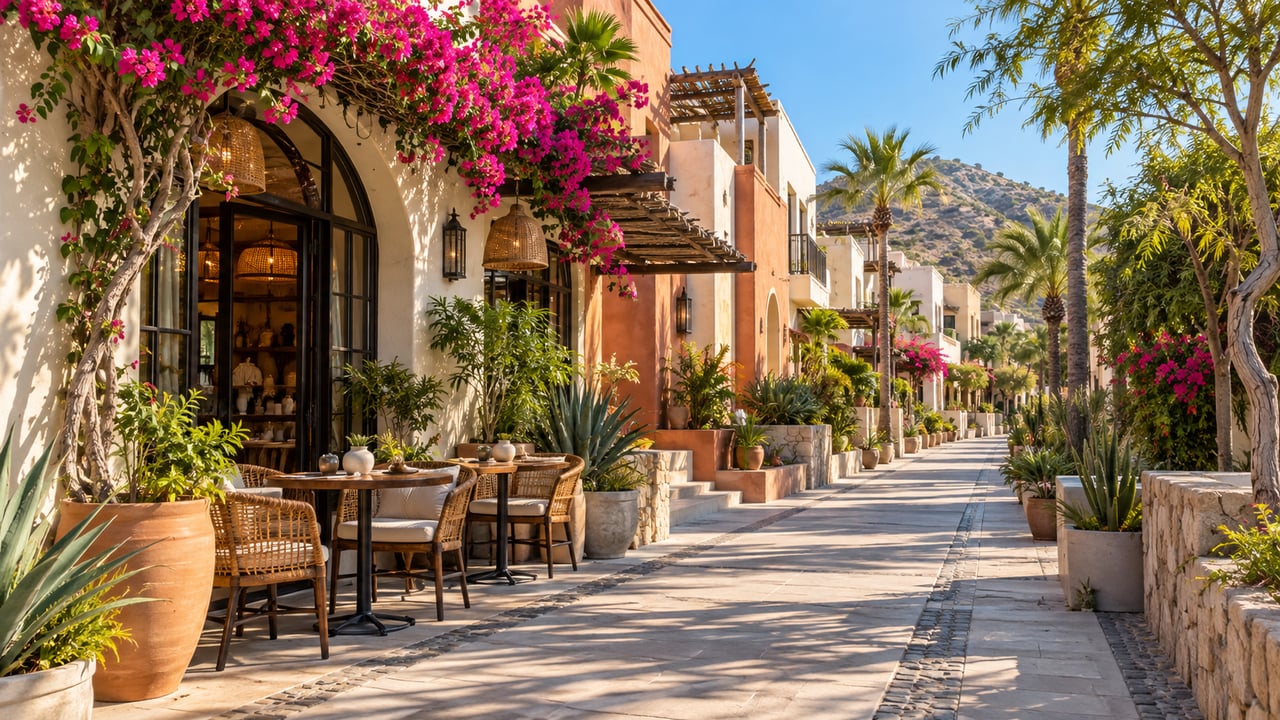
How to evaluate cafés, daily errands, beach routes, and the real walking experience before choosing a Cabo home.
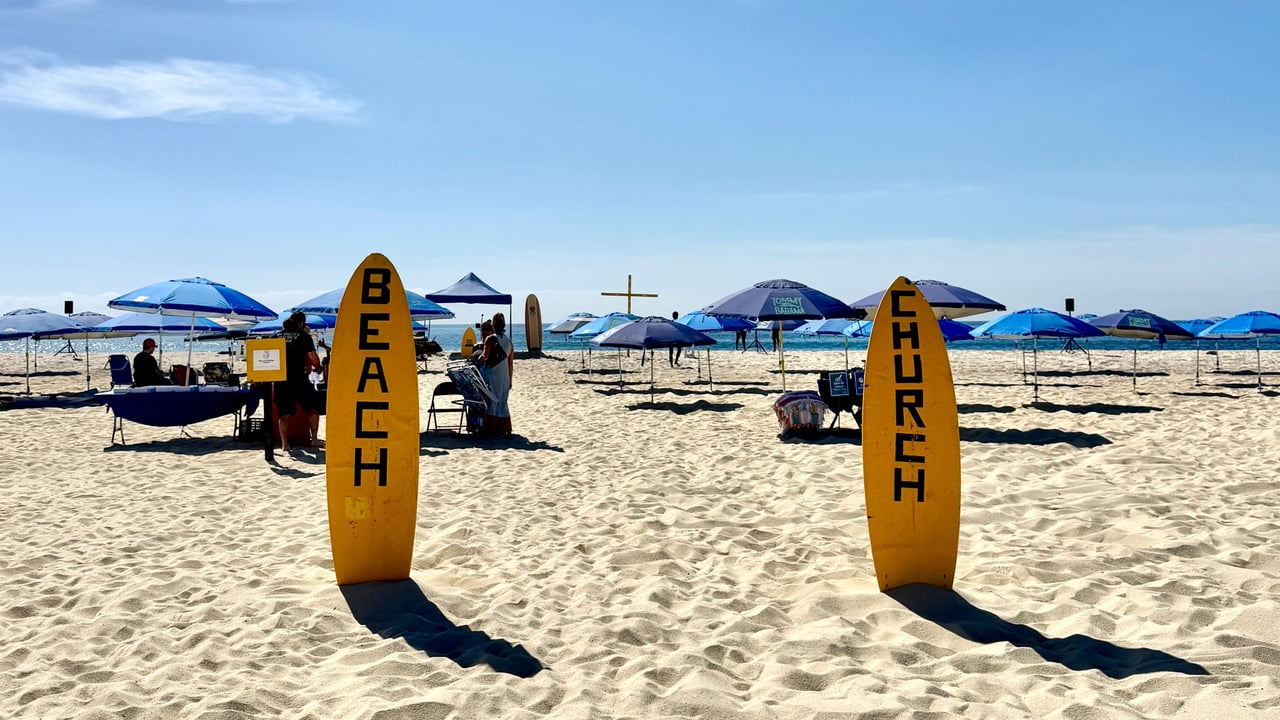
At El Tule Beach, Pastor Rick Gordon and Paloma Palacios welcome a new season of Sunday mornings together.
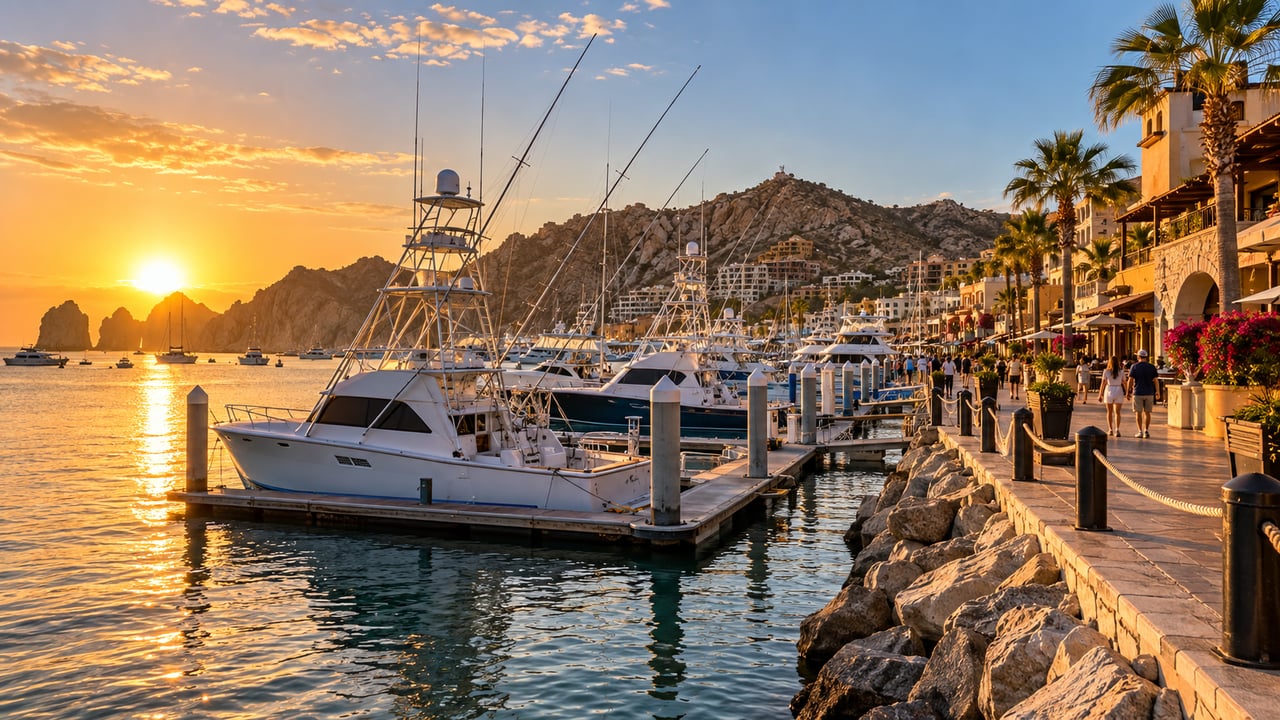
As Black & Blue opens, a look at the people, traditions, and marina moments behind tournament week.
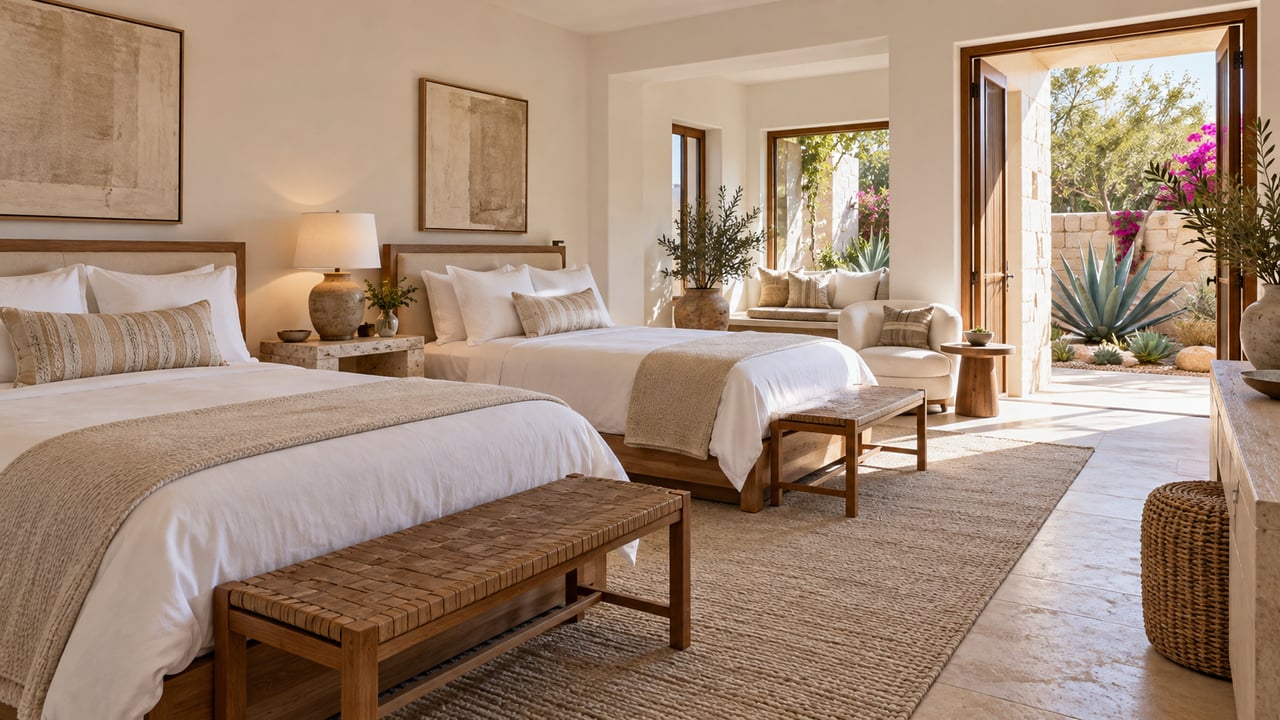
Look beyond the bedroom count to find a home that makes time together comfortable.
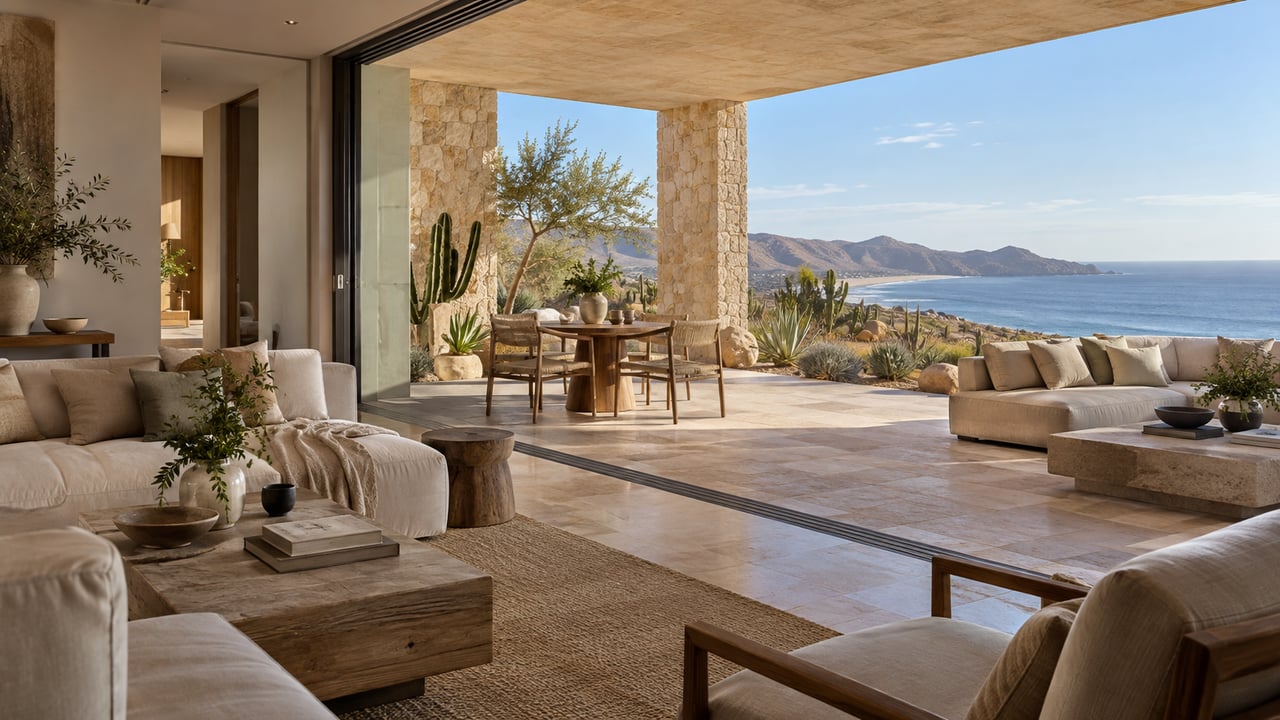
A buyer’s guide to terraces, shade, privacy, and the everyday comfort behind the view.
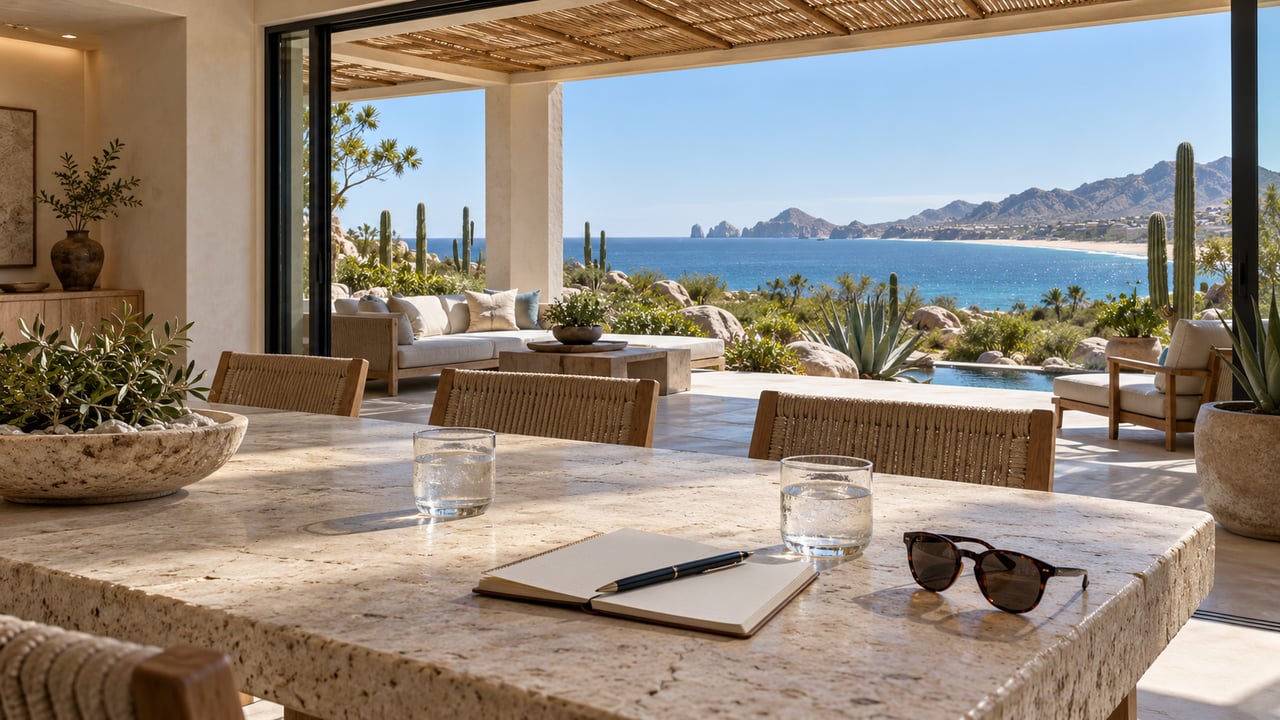
A practical way to balance property tours, neighborhood time, and the questions that shape your Cabo lifestyle.
How to compare maintenance, local management, and everyday convenience before choosing your Cabo second home.
Whether you're searching for a vacation home, an income-producing investment, or your forever home in Los Cabos, we'll guide you with local expertise, honest advice, and personalized service. Experience the difference of working with professionals who put your goals first.
Get In Touch With Our Team

ADDRESS Jacarandas Fracc III Ste 2615 Plaza Cardones L17 Lomas del Pacifico Cabo San Lucas, Estado de Baja California Sur 23473